· 3 min read
Rebuilding intimacy after illness or surgery
Illness changes bodies, roles and confidence at once. The return to closeness is slower than the physical recovery, and it needs to be spoken about.
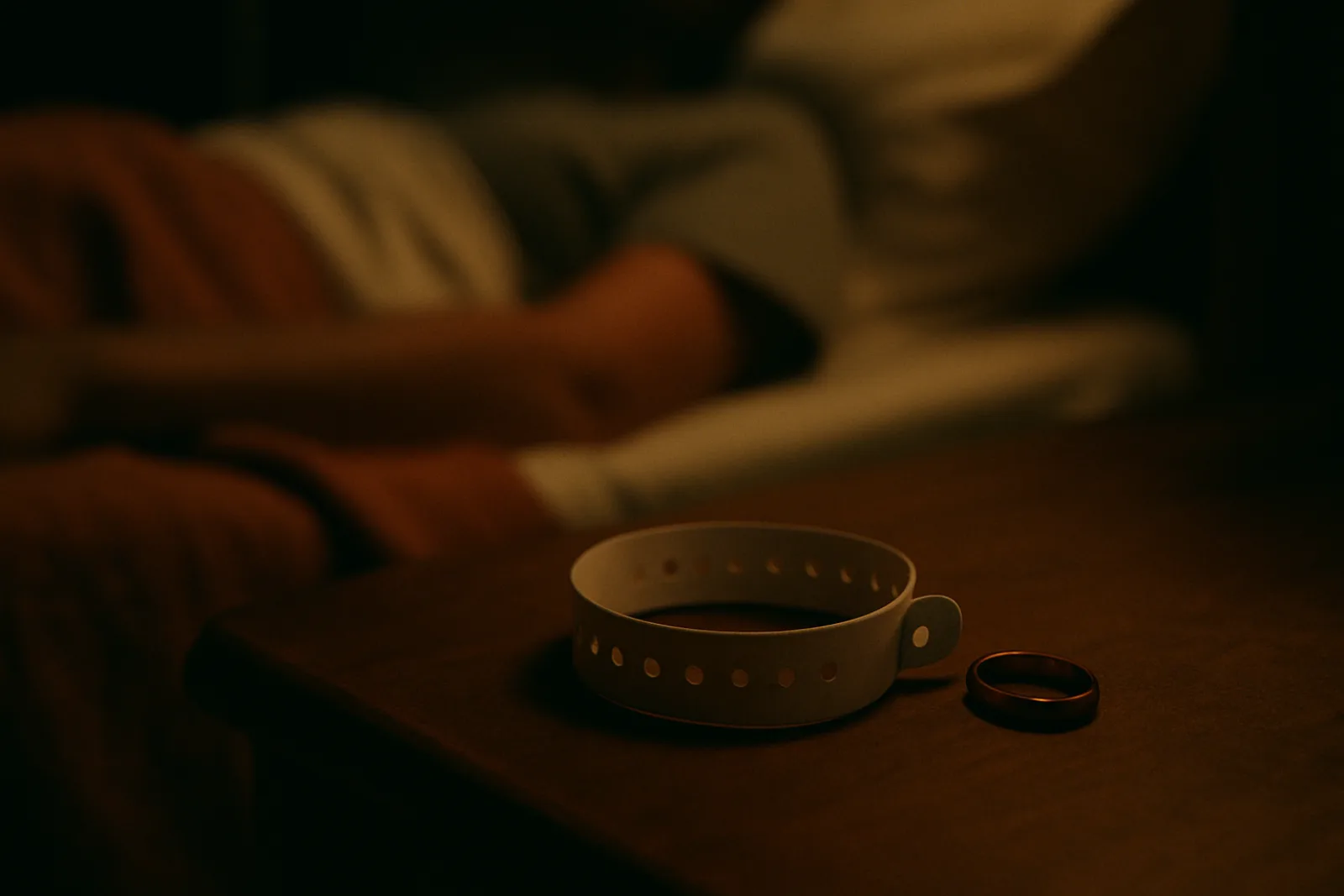
A serious illness changes three things at the same time: the body, the confidence, and the roles the two of you occupy. The body often recovers first, and couples then assume everything else should have followed.
It does not, and the gap is where most of the difficulty sits.
The carer problem
During treatment one partner usually becomes a carer. It is necessary and it is also a different relationship: one person managing, the other being managed.
The transition back is rarely discussed and rarely automatic. Couples describe the carer continuing to monitor long after it is needed, and the patient continuing to be treated as fragile, sometimes for years.
There is also something specific that happens to desire in this configuration. Many carers report finding it difficult to move between tending a body and wanting it, and almost none of them say so, because it feels shameful. It is extremely common and it is not a failure of love.
Nursing someone and desiring them use different registers. Moving between the two takes practice and it is normal to find it hard.
The patient's side
A body that has been examined, opened, medicated and discussed by strangers can stop feeling like a private thing. Reclaiming it takes time that has nothing to do with healing.
Fear of pain is often the practical barrier, and it is frequently not mentioned, because saying it risks disappointment. Naming it directly removes most of its power: "I am not worried about wanting to, I am worried it will hurt."
There may also be lasting changes: scars, a stoma, altered sensation, fatigue, changes caused by medication. These need to be discussed as facts rather than discovered in the moment.
Restarting, practically
Do not begin where you left off. Couples who attempt to resume the previous version usually have one difficult experience and then avoid it for months.
Start with contact that has no destination. Lying next to each other, hands, sitting close. Announce explicitly that this is all it is, for a period, and keep to it.
Take the outcome off the table entirely at first. Removing the possibility of failure is what makes the attempt possible.
Expect it to take longer than the medical recovery. Six months to a year is unremarkable after major illness, and couples who know that in advance do not read the delay as a verdict.
The conversation to have
One conversation is worth having deliberately, and it is not about intimacy directly. It is about what has changed.
What hurts. What is different. What you are frightened of. What you do not want commented on. What you want to be asked and what you want to be left alone.
Most couples never have this because each is protecting the other, and the protection produces two people guessing. The patient assumes their partner is repelled. The partner assumes the patient wants nothing. Both are usually wrong.
Medical help is part of this
Pain, dryness, erectile changes and loss of desire after illness or treatment are common, frequently treatable and rarely raised with a doctor.
The barrier is almost always embarrassment rather than availability. It is worth pushing past, and it is worth asking specifically, because many clinicians will not raise it unprompted.
Rebuilding the rest of it
Illness narrows a couple to one topic. Appointments, symptoms, results. Afterwards, the relationship often has no other habit left.
Restoring ordinary conversation matters as much as restoring physical closeness, and it tends to come first. Being asked what you think rather than how you are is its own kind of return.
That is one of the specific things a daily question does. The same question for both of you, nothing to do with illness, both answering separately and opening together. Duoheart was not designed for this situation, and couples in it report that the absence of any health content is exactly why it helps.
Questions people ask
- How long does intimacy take to return after serious illness?
- Commonly six months to a year after the physical recovery, sometimes longer. The delay is usually about roles and confidence rather than about the body.
- Why do I struggle to desire my partner after caring for them?
- Because nursing and desire use very different registers and moving between them is genuinely difficult. It is extremely common and almost never spoken about.
- Should we talk to a doctor about intimacy after treatment?
- Yes. Pain, dryness, erectile changes and low desire after illness are common and frequently treatable, and most clinicians will not raise it unless you do.