· 3 min read
Married at Twenty, Still Asking Questions at Sixty
They married young, which everyone said was a mistake. Forty years later, the habit that kept it working was smaller than anyone expected.
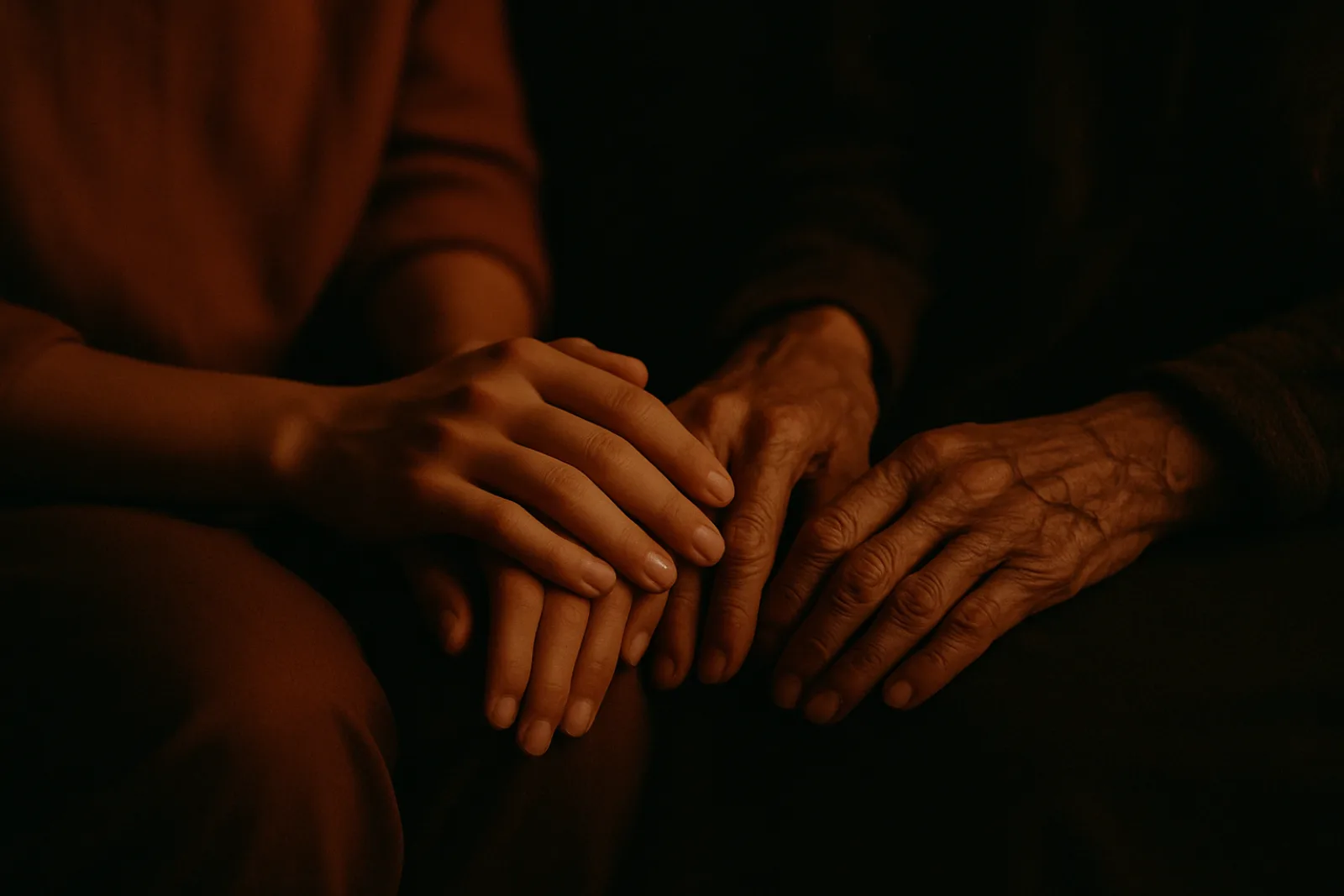
They were twenty and twenty one. Both sets of parents disapproved, for different reasons, and the general opinion was that they would grow into different people and discover they had married a stranger.
Which is exactly what happened, twice, and is the part of the story they think people miss.
The first stranger
In their early thirties she went back to study, and it changed her substantially. New work, new people, a set of opinions she had not held at twenty five.
He says he handled it badly for about two years. Not dramatically. He simply kept responding to the previous version of her, and was privately hurt that the old jokes did not land.
What he remembers as the turning point is a conversation in a car park, in which she said she felt like she was being remembered rather than known. He says he did not understand the sentence for several months and then understood it all at once.
The person you married is a version. If you do not keep updating, you end up loving someone who has left.
The second stranger
In his early fifties he had a health scare that turned out to be nothing and did not feel like nothing. He came out of it interested in things he had never been interested in and uninterested in a job he had done for twenty six years.
She says it was her turn to be slow. She spent the first year assuming it was a phase, and the second year being irritated by it, and somewhere in the third year worked out that she was doing exactly what he had done in the car park decade.
The habit
It started as a joke on a long drive in 1997. She asked him a question out of a magazine, one of those lists, and he answered it badly, and she answered it better, and they did the rest of the list between two towns.
It became a car thing, then a Sunday thing. For about fifteen years it was irregular and undignified and mostly consisted of arguing about the questions.
The rule that made it useful arrived late, in their fifties, and by accident. On a drive where he was concentrating on the road, she wrote her answer down first and read it out afterwards. She noticed that her written answer was different from the one she would have said, because the spoken one would have been shaped by whatever he said first.
After that they wrote them. Both, separately, then swapped.
What forty years of it produced
He says the thing that surprises people is how often the answers still surprise them. Not about the past, which is exhausted, but about the present: what she is worried about this month, what he has stopped wanting, what either of them has quietly changed their mind about.
She says the real function is different and slightly less romantic. It stops the relationship from running on a model.
Her theory, which she has clearly said before, is that every long couple builds a working model of the other person, and that the model is accurate enough to be useful and out of date almost immediately, and that the only maintenance available is to keep asking.
What they say to people who marry young
Neither of them recommends it particularly. She says the odds were against them and they did not beat the odds through anything clever.
What they do say is that the danger of marrying young is not that you will become different people. You will. It is that you will not notice, because you will keep the earlier version in your head and respond to that.
The only thing they have ever done about it is ask, out loud, on paper, most weeks, for about thirty years.
Names and details changed; the couple is a composite.
Questions people ask
- Do marriages that start young last?
- Many do. The recorded risk is not that people change but that partners keep responding to an earlier version of each other without noticing.
- How do long married couples stay interested in each other?
- By continuing to ask about the present rather than the past. Long couples exhaust their history and then need new information to keep finding each other.
- Why write answers instead of saying them?
- A spoken answer is shaped by whatever the other person said first. Written separately, both answers stay closer to what each person actually thinks.